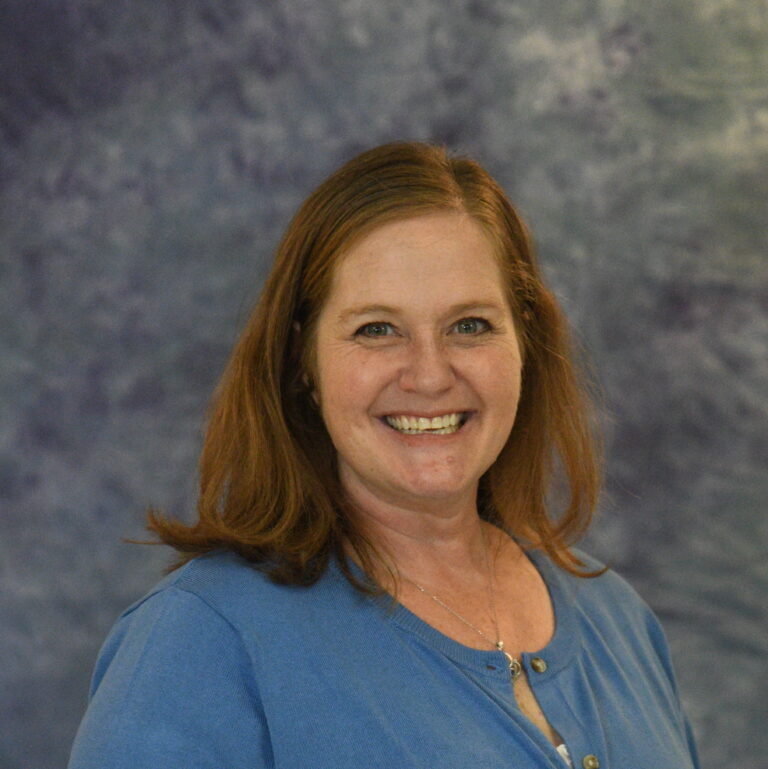
Rev. Meg Jenista Kuykendall lives in Philadelphia, PA and is an ordained minister in the Reformed tradition. She earned her M.Div at Calvin Theological Seminary (2008) and her ThM, also at CTS (2019). She spent 15 years pastoring churches in Kalamazoo, MI, and Washington DC. Currently, Meg is studying for her PhD in public theology at Fuller Theological Seminary, with a particular focus on the intersection of political discipleship and pulpit ministry. She balances out her PhD research by reading Sandra Boynton and Mo Willems books with her young son, cooking with her husband, and exploring their new home of Philadelphia.
Deuteronomy 34:1-12
Commentary
Proper 25A

A Sunday Too Soon Looking at this reading and the liturgical calendar, I can’t help lamenting that the text has come just one Sunday too early. November 1 is celebrated, in many church traditions, as All Saints Day — an opportunity to remember our ancestors in faith. Certainly, this story of Moses on the cusp…
Exodus 33:12-23
Commentary
Proper 24A
Go Between The first 11 verses of chapter 33 spell out the way Moses was called by God to operate among the people. At first God indicates that Moses will need to lead the people on his own. It’s almost as if God doesn’t trust that He will be able to keep loving these hard-hearted,…
Exodus 32:1-14
Commentary
Proper 23A
Meanwhile, Back at Camp… Let’s pause for a moment to consider where we are in the text. Last Sunday’s lectionary reading was the 10 Commandments in Exodus 20 but the intervening 11 chapters are filled with all kinds of instructions for God’s people — from how to treat animals and property to the ordination of…
Exodus 20:1-4, 7-9, 12-20
Commentary
Proper 22A
Leaving Out the Hard Bits Reading through the Lectionary selection this week, I had the feeling I get when my pre-schooler, who is playing in the other room, suddenly goes quiet. Immediately suspicious, I want to know what he’s up to. So, similarly, it might be important to investigate the quiet bits, the parts the…
Exodus 17:1-7
Commentary
Proper 21A
Leadership Called into Question In recent years, scandals have unmasked and dethroned many charismatic (personality temperament, not denomination) leaders in the church. My brain quickly recalled these stories as I read Moses’ reply to God’s people who are—yet again–complaining about conditions in the wilderness. In verse 2, Moses dresses the people down for questioning him….
Exodus 16:2-15
Commentary
Proper 20A
Illustration I was recently watching a TV show with my 4-year-old and, at one point, an item begins to ring. The main character picks up the top part, connected to the bottom part with a curly wire and speaks into it. On the main, bottom part, there is a circle with numbers, almost like a…
Exodus 14:19-31
Commentary
Proper 19A
Illustration The story of the exodus is a potent motif for shaping the story of oppressed people. In the US context, we know this from the way the story was used in songs written by enslaved people. “Go down Moses and tell old Pharaoh, ‘let my people go.’” Harriet Tubman, who famously led hundreds to…
Exodus 12:1-14
Commentary
Proper 18A
Illustration Back-to-School season has evolved since my day. A trip to Walmart for a Trapper-Keeper and new colored pencils, maybe a special new outfit has been elaborated with specific first-day-of-school social media posts, maybe a clap-in at school, a “Blessing of the Backpacks” at church. None of it is wrong … it’s just become elaborate,…
Exodus 3:1-15
Commentary
Proper 17A
From the banks of the Nile to a parched mountain (the literal translation of Horeb), we find Moses settled into the humble lifestyle of a nomadic shepherd just about as far from Pharaoh’s court as humanly possible. The King James tells us that, as the curtain rises on this scene, Moses is hanging out with…
Exodus 1:8-2:10
Commentary
Proper 16A
Image It matters a great deal where you place yourself in the Biblical narrative. Some of our worst theology comes from placing ourselves wrongly: always the hero, never the needy. Always the righteous, never the meanie. Erna Kim Hackett refers to this as “Disney Princess Theology.” “As each individual reads Scripture, they see themselves as…
About Meg Jenista